

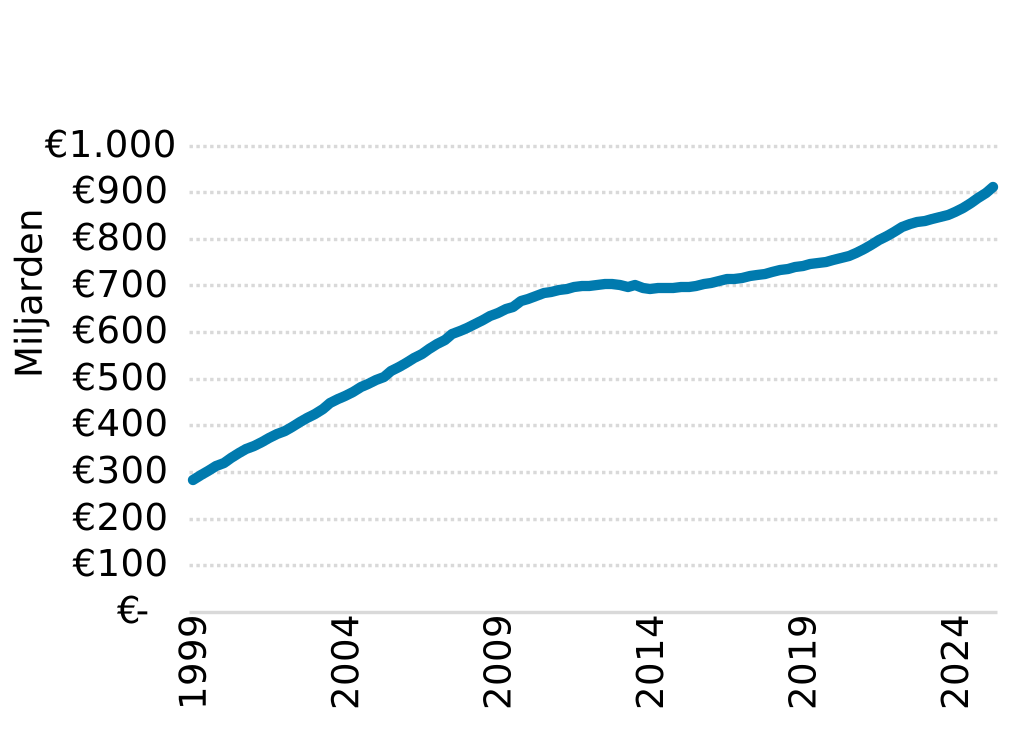
- Total outstanding residential mortgage debt exceeds EUR 900 bn
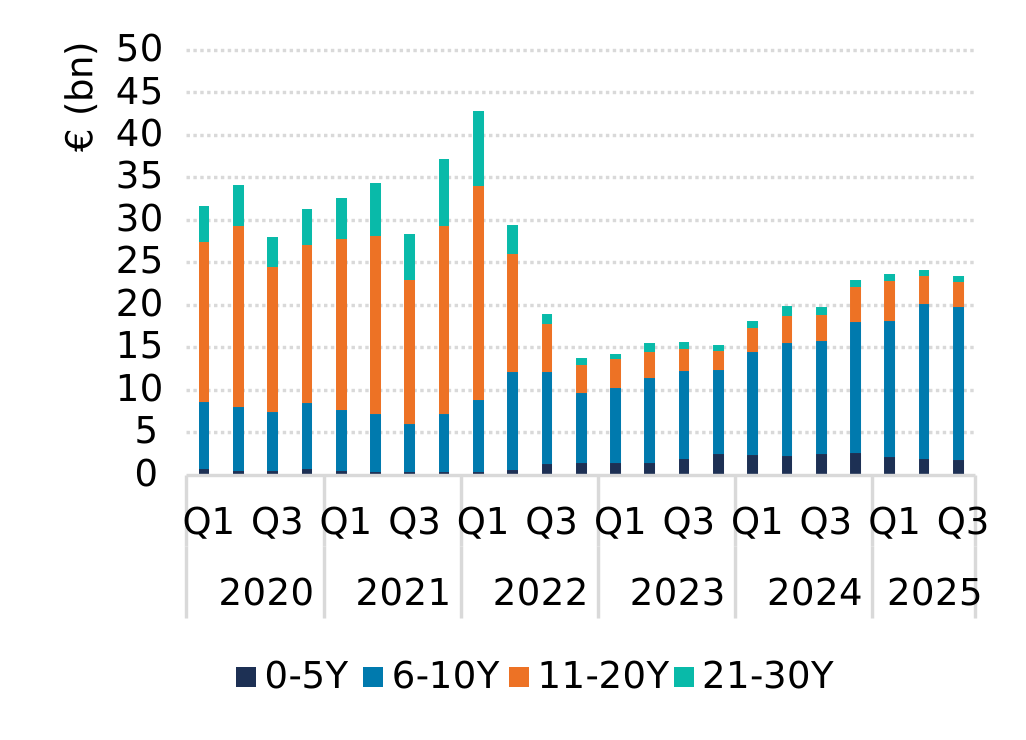
- 10Y fixed market share for applications sets a new record at 77% of all applications.
- Spread difference between 20Y and 10Y fixed rates past the negative tipping point?
In general, the mortgage market hasn’t changed significantly since our Q2 2025 report. Most of the trends we addressed in our previous report have continued. Although, it is worth mentioning that the total residential mortgage debt in The Netherlands has surpassed the € 900 bn mark, indicating that the mortgage market has tripled in the past 25 years.
Figure 1: Residential mortgage debt
Source: CBS, DMPM analytics
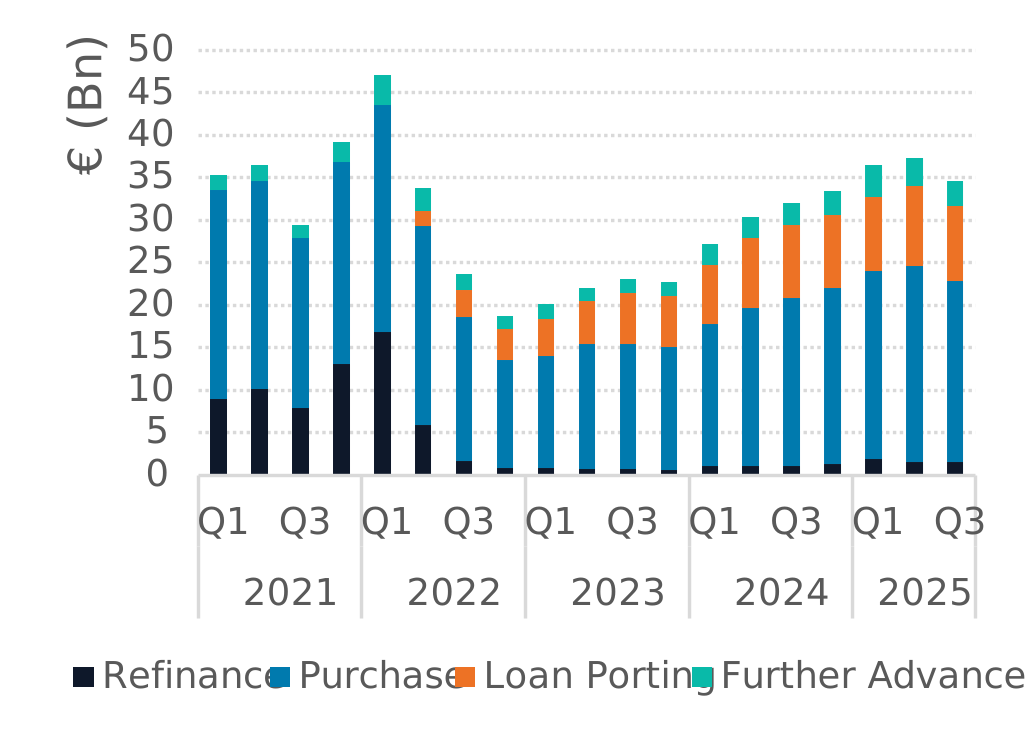
Increasing application volumes have (temporarily) come to a halt
In Q3 the mortgage market broke with the trend of increased application volumes since Q4 2023. Whether this is an indication of the market slowing down remains to be seen. The lower volume of applications is mainly due to low application volumes in August of only EUR 8.7 bn, the lowest since August 2024. Most likely the result of the summer holiday season.
Figure 2: Mortgage applications per loan type (€)
Source: HDN, DMPM analytics
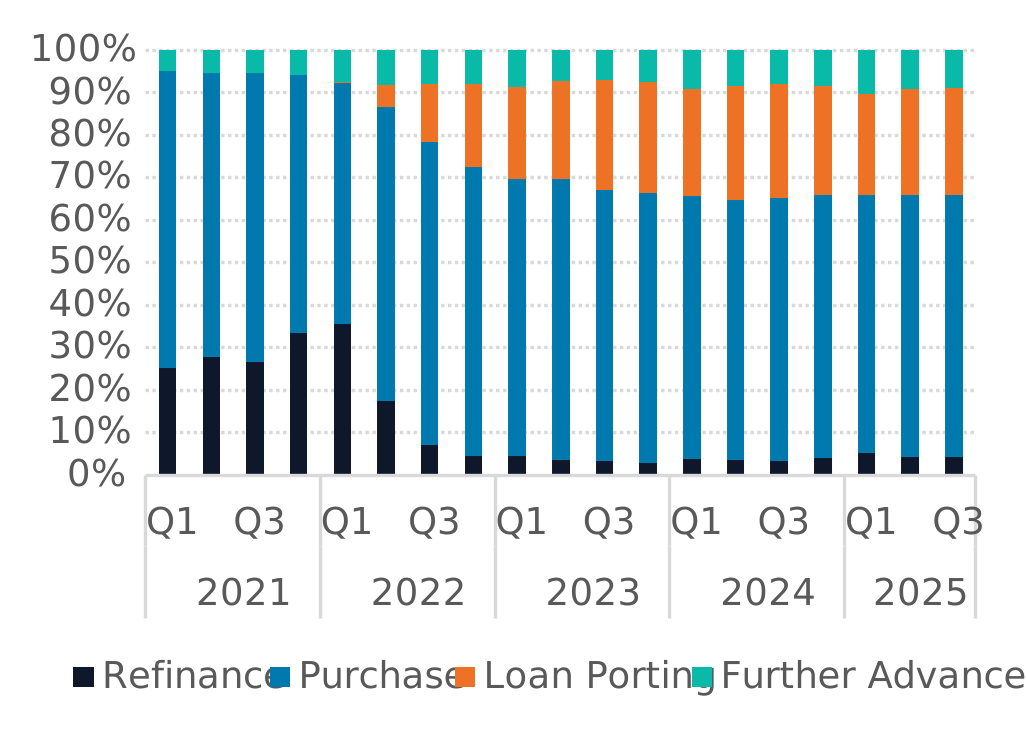
Figure 3: Mortgage applications per loan type (%)
Source: HDN, DMPM analytics
Market share of 0-10Y fixed breaks last quarters record
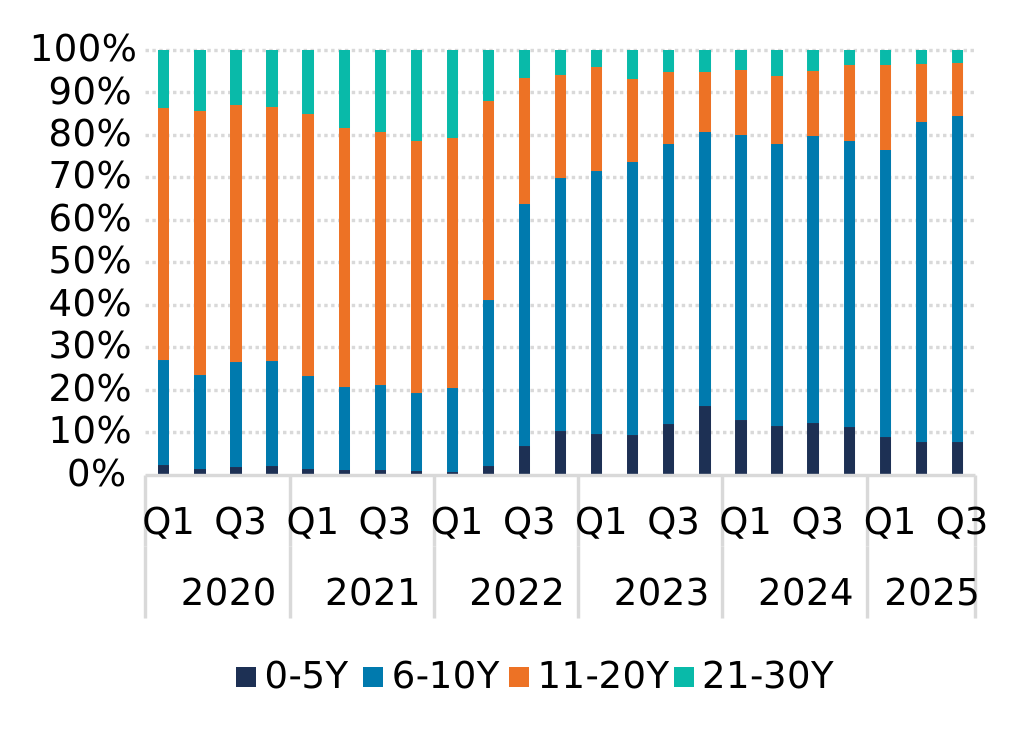
In the previous Quarterly Update we reported the highest market share (83%) of 0-10Y fixed mortgage applications since 2017. Q3 2025 sets a new record at 85%, where the 10Y fixed bucket alone contributed 77% in this quarter (compared to 75% in the previous quarter).
Figure 4: Applications per fixed interest rate period (€)
Source: HDN, DMPM analytics
Figure 5: Applications per fixed interest rate period (%)
Source: HDN, DMPM analytics
Stabilization of loan porting continues
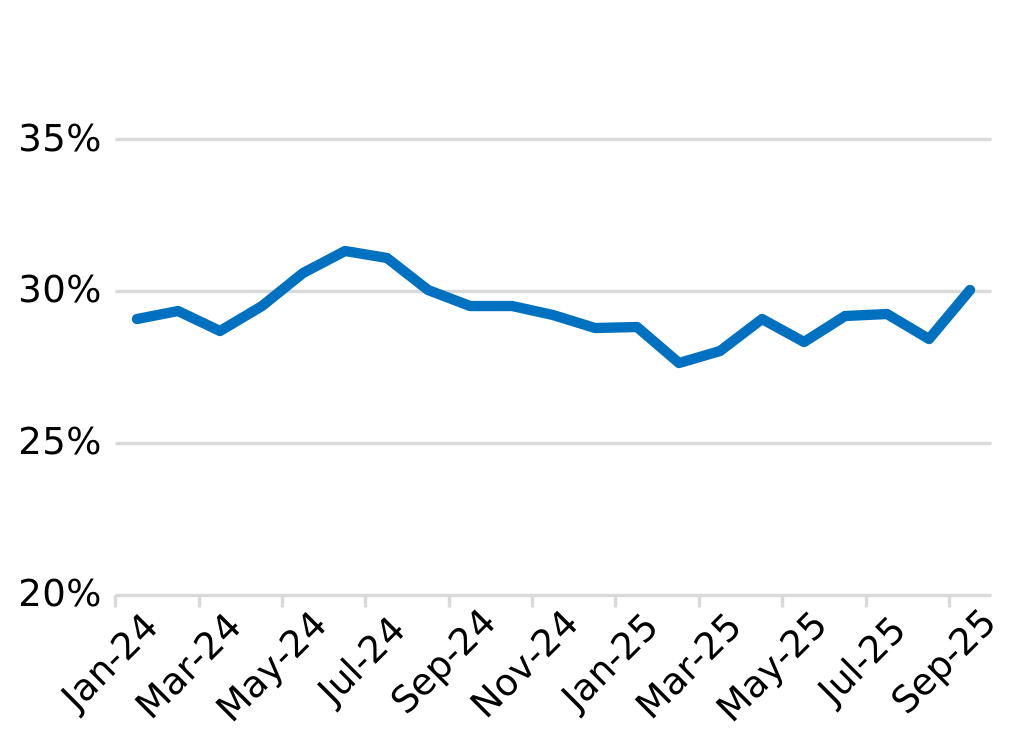
The share of ported loans in the purchase market seems to have stabilized just below 30% as mentioned in our previous quarterly update. The expectation that this market will remain stable at least until 2026 remains unchanged.[1]
[1] A serious drop in the portability market is not expected until 2026, ten years after the mortgage market bounced back from the poor years between 2008 and 2016 with very low origination volumes. Since 2016 most originated mortgage loans had 20Y+ fixed interest rates. After 2026 part of the mortgage portfolio will start having a remaining fixed interest period shorter than 10 years. As a result, consumers will then consider not to benefit from their portability option and prefer a new fixed interest rate term of 10 years.
Figure 6: Market share for loan porting
Source: HDN, DMPM analytics
Spread development
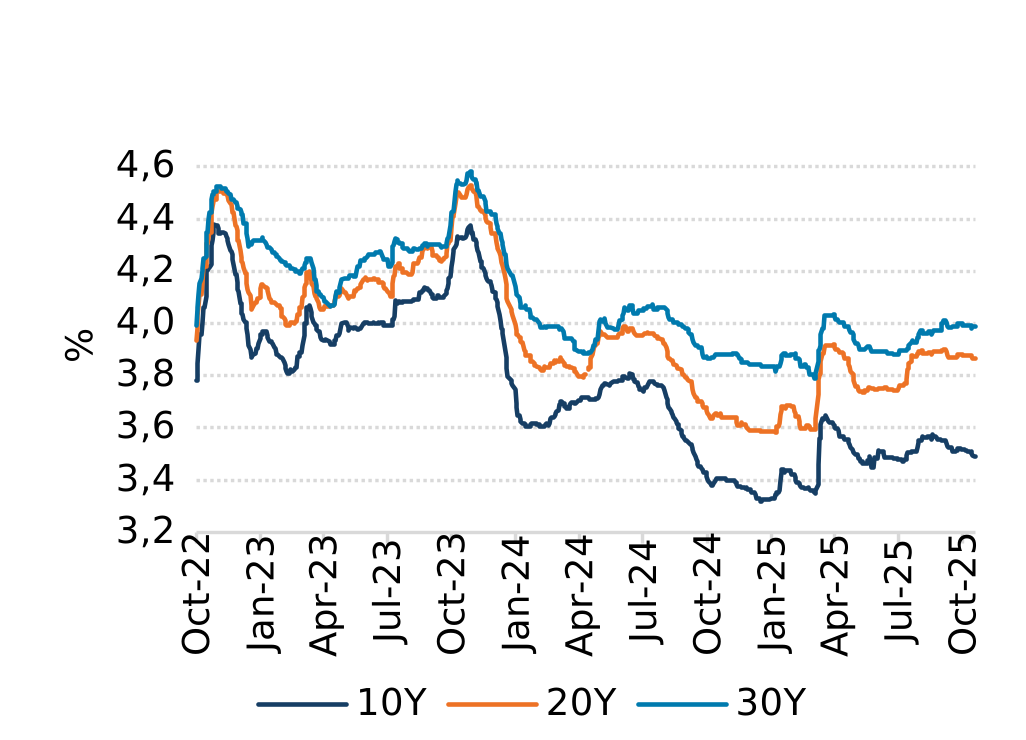
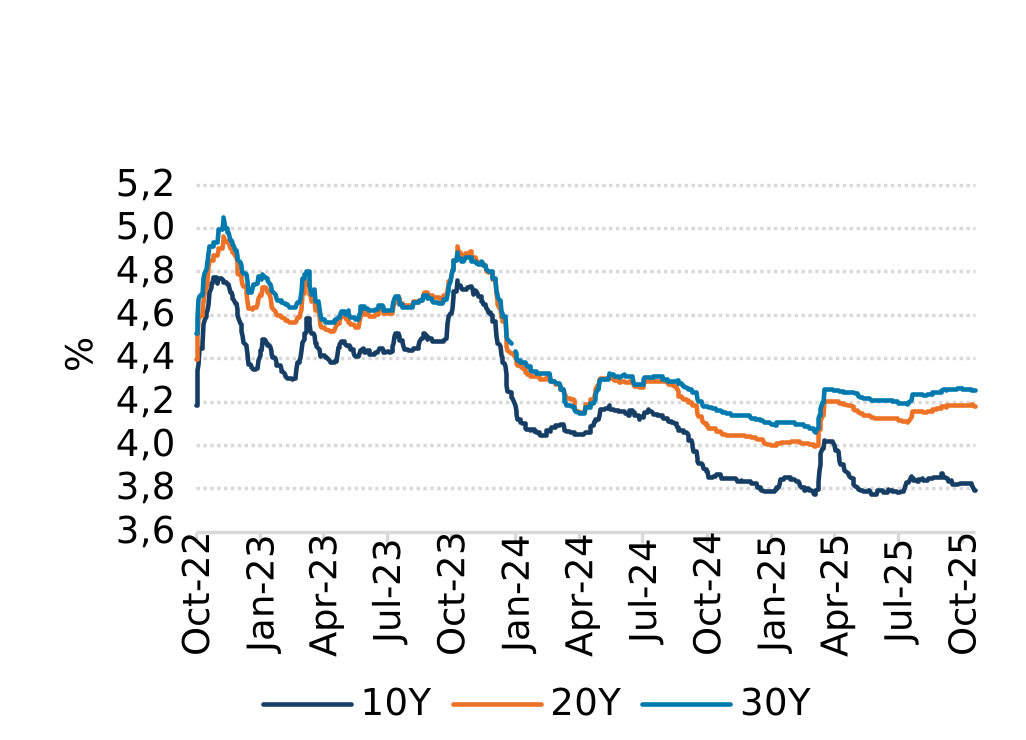
After the peak at the end of 2022 of 5.0% for 30Y fixed 100% non-NHG, interest rates for residential owner-occupied mortgages have moved between 3.2% and 5.0% since. The difference between NHG and non-NHG 100% LTV loans typically is around 40 bps.
Since June 2024, the ECB has gradually lowered its key policy rate from 4% to 2% which eventually had its effect on the mortgage rates with shorter fixed interest rates. As mentioned in the first section of this quarterly report the inverse curve has turned into a positive swap curve again.
Figure 7: Borrower rate NHG mortgages
Source: HDN, DMPM analytics
Figure 8: Borrower rate non NHG 100 LTV mortgages
Source: HDN, DMPM analytics
With consumers and their brokers opting for 0-10Y fixed mortgage loans, it raises questions about the impact on the spread over swap for various fixed interest rates. It could be argued that spreads on longer fixed-rate periods will come under pressure if the market is relatively small and the differences between short and long fixed-rate periods increase, causing even more customers to opt for a short fixed-rate period. Is this what we observe?
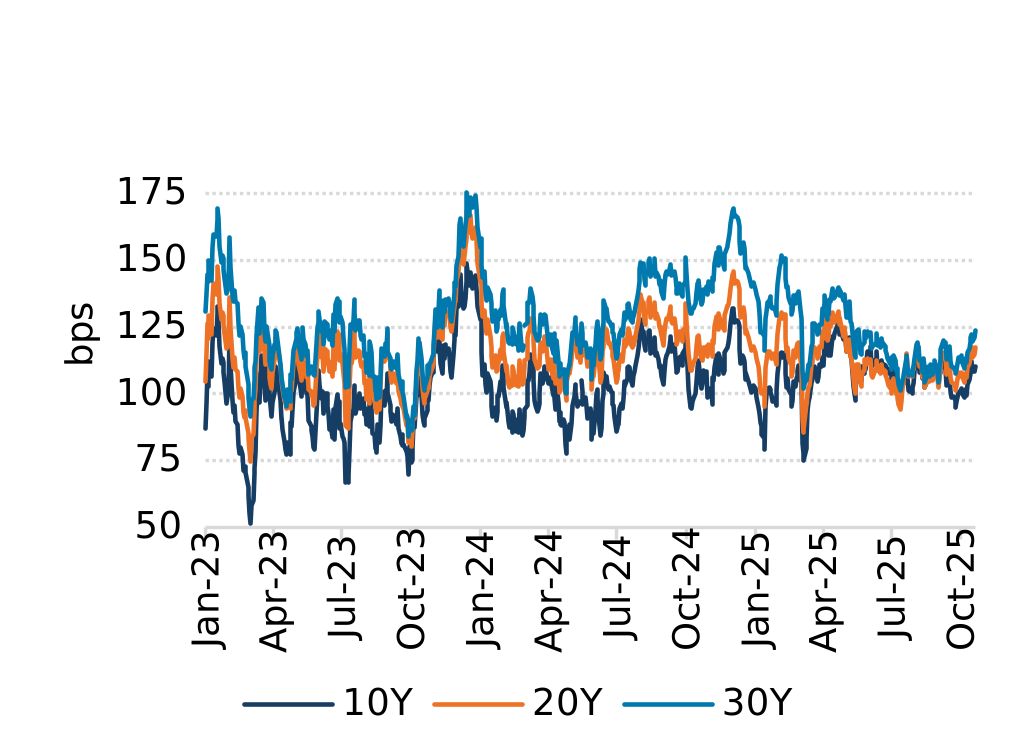
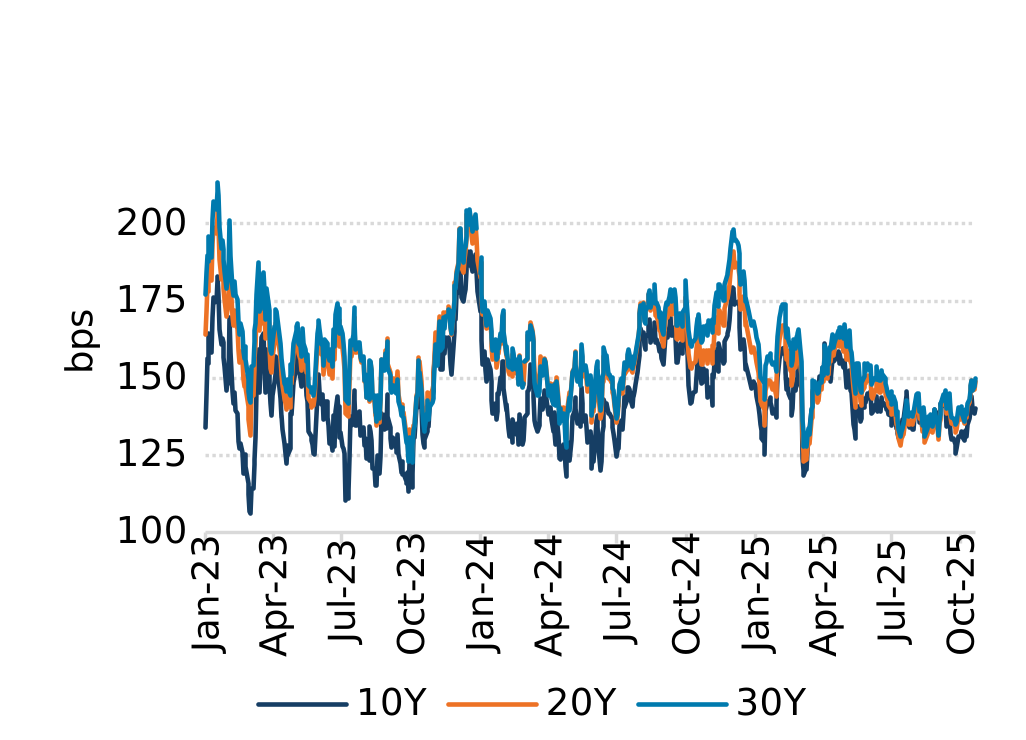
We determined the spread over swap for the three dominant fixed interest rates in the market: 10Y, 20Y and 30Y, where we compared the top-5 interest rates offered for each fixed mortgage rate with swap rates using 7Y IRS for 10Y fixed mortgage rates, 13Y IRS for 20Y fixed mortgage rates and 15Y IRS for 30Y fixed mortgage rates. The spread levels over time are presented in the figures below. It can be concluded that spread levels have stabilized since April this year. Spreads on the longer fixed interest rates indeed seem to have decreased faster in 2025 compared to their representative shorter fixed interest rates.
Figure 9: Spread top 5 interest rates NHG over IRS
Source: HDN, DMPM analytics
Figure 10: Spread top 5 mortgage rates non-NHG (100% LTV) over IRS
Source: HDN, DMPM analytics
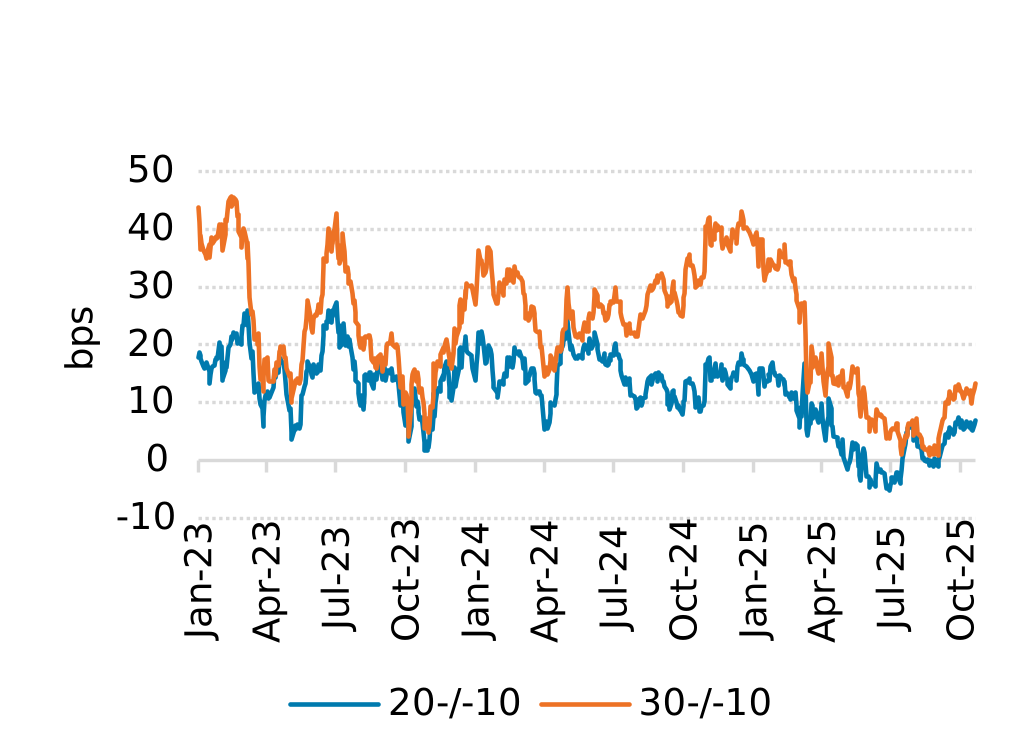
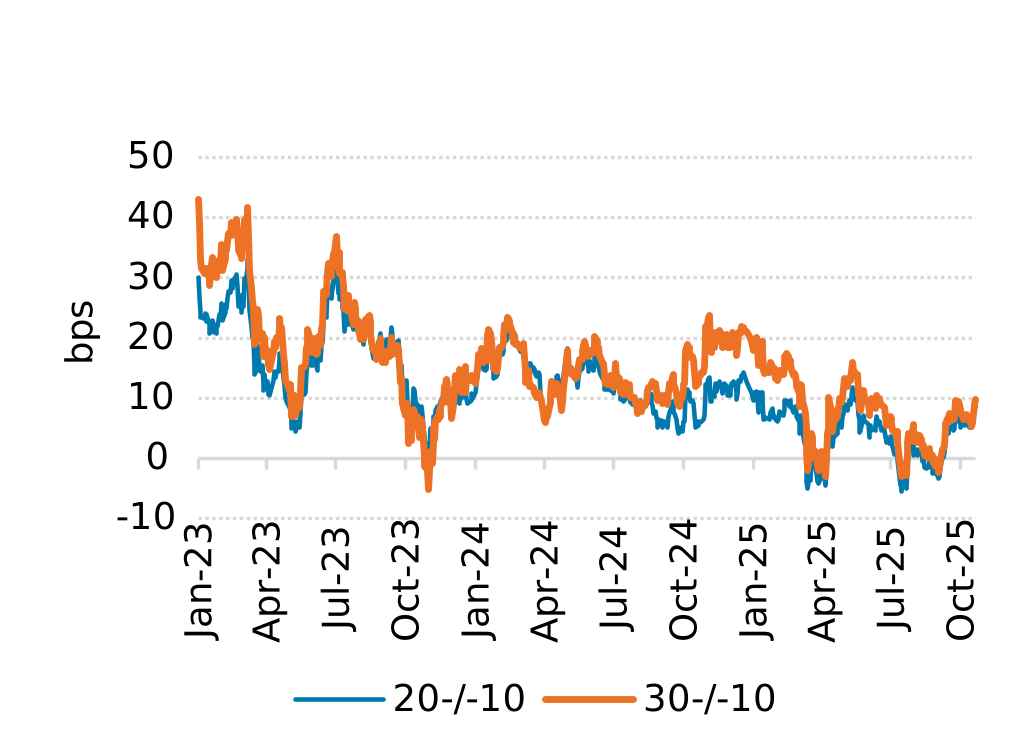
To make this statement more obvious, we created two graphs (again for NHG and non-NHG 100% LTV) where we deducted the 10Y spread from the 20Y spread and from the 30Y spread. The results in the graphs below indicate that since the beginning of 2025 the spread difference shrank from 10 bps to -5 bps in July this year if we look at the NHG segment and compare 20Y fixed spread to the 10Y fixed spread. In the 100% LTV segment we observed both the 20Y and the 30Y spread moving below the spreads on 10Y fixed mortgages in April and July.
Fortunately for investors aiming for long duration mortgages, the bottom appears to have been reached. A situation where spread levels easily surpassed the 200 bps, like in June 2022 when the spread levels exceeded 200 bps for 8 consecutive months does not seem likely, however.
Figure 11: Spread difference NHG 20Y vs 10Y and 30Y vs 10Y
Source: HDN, DMPM analytics
Figure 12: Spread difference non-NHG (100% LTV) 20Y vs 10Y and 30Y vs 10Y
Source: HDN, DMPM analytics
Want to know more?
This article is the third chapter of our quarterly market update for Q3 2025. In this report, we outline developments in the Dutch economy, the housing market and the mortgage market.